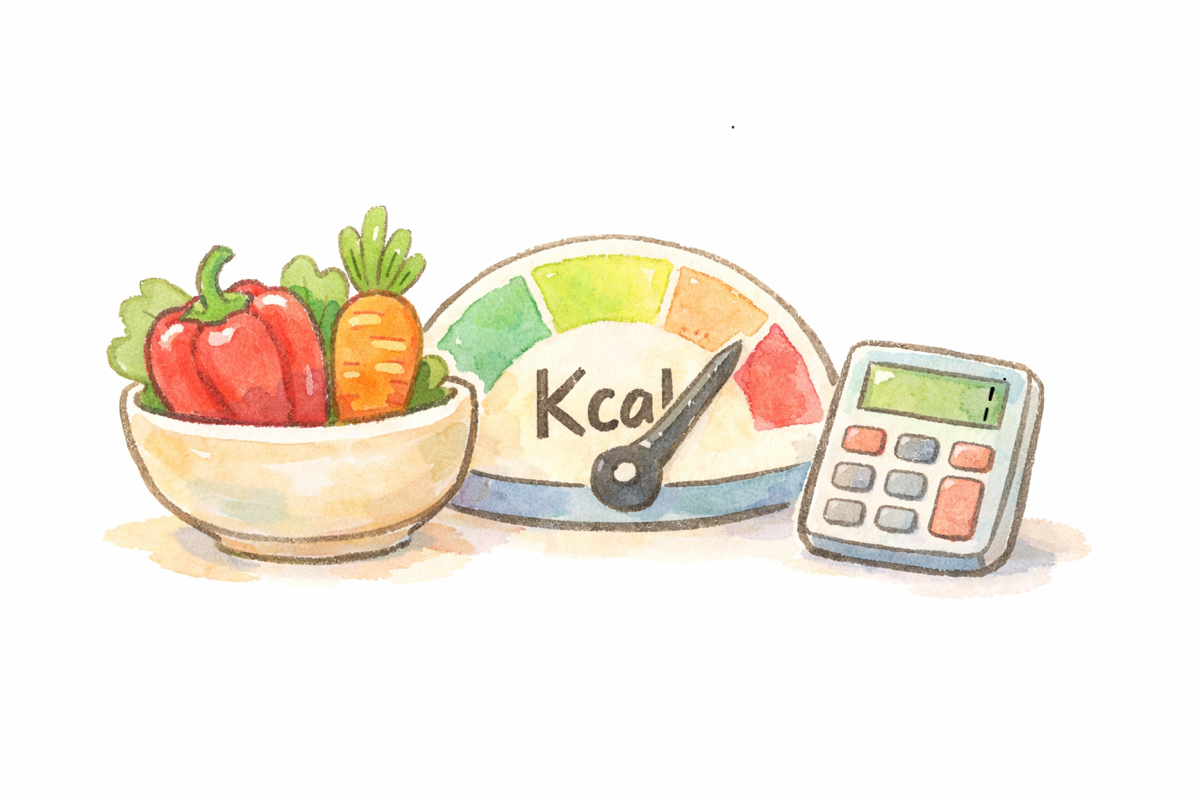
 Calorie Calculator
Calorie Calculator
Calorie Calculator
Browse the most common calorie-planning questions. Each answer is based on the guides below, and reformatted into a fast, readable FAQ layout.
Enter your age, gender, height, and weight to estimate BMR (your resting calories).
Choose a formula, select your activity level, and the calculator will return TDEE and a daily calorie target you can adjust for fat loss, maintenance, or muscle gain.
Mifflin-St Jeor is the most common default for the general population.
Harris-Benedict (Revised) is a classic alternative, and Katch-McArdle is useful when you know your body fat percentage and want a lean-mass-based estimate.
Weight change comes from the balance between calories in and calories out.
A small, steady deficit supports fat loss, while a controlled surplus supports muscle gain. Track weekly trends and adjust the target every 2-3 weeks.
A calorie is a unit of energy. Food calories tell you how much energy your body can use.
When intake exceeds expenditure you store energy; when intake is lower you tap stored energy, which typically leads to weight loss.
Food quality affects energy, recovery, hunger control, and overall health.
Prioritizing protein, fiber, and minimally processed foods makes it easier to stay in your calorie target while feeling satisfied.
Start with a modest deficit, track intake, and keep meals consistent.
Use high-satiety foods, measure portions occasionally, and adjust weekly based on progress rather than daily fluctuations.
Combine daily movement (steps, short walks) with 2-4 weekly strength sessions.
Consistency matters more than intensity. Small increases in activity can raise TDEE without burnout.
A balanced diet helps you hit calorie targets while covering micronutrients.
Build each meal with protein, vegetables, a quality carb source, and healthy fats to support energy balance and recovery.
Protein supports muscle and satiety, carbs fuel training, and fats support hormones.
Start with protein, then fill in carbs and fats based on preference, training level, and energy needs.
Nutrient-dense foods deliver more vitamins and minerals per calorie.
Build a base of lean proteins, fruits, vegetables, and whole grains, then add flexible calories for enjoyment.
Meal timing is flexible, but consistency helps appetite and energy.
Choose a schedule you can sustain and align larger meals with your most active part of the day.
Spread protein across 3-4 meals to support muscle and satiety.
A practical approach is 20-40g per meal depending on body size and training goals.
Fiber and fluids slow digestion and improve fullness.
Aim for high-fiber foods at most meals and keep hydration steady throughout the day to curb cravings.
Admin only (is_pro = 1).
Comments
Sign in
Please login to comment.
Create account
8-64 chars, upper/lowercase, number, and a symbol (e.g. _ or -).
Edit profile